




Packaging Design
Compostable Packaging That Holds at Minus 18 Degrees
Key takeaways
Food and beverage brands ask a lot of their packaging: it has to hold up through the processes a product goes through, freezing, heating, thawing, gas-flushing, often before it ever reaches a shelf. Compostable film has to clear that same bar. A structure that passes the lab can still split on the pack line, and the freezer is one of the harshest environments for compostable film, and it exposes the gap between what a datasheet promises and what actually survives production and storage at minus 18. If you want frozen packaging that is genuinely home-compostable, two things decide whether it works.
Quick answer: Compostable film turns more brittle at low temperatures, and the seal is where it fails first. The fix is to build strength into the seal layer (a thicker inner seal holds at minus 18 without losing compostability), and to test under real pack-line pressure, not just in the lab. The deeper point: "compostable" is not a specification. Two films in the same class can behave nothing alike, so lock the exact film, sealant, and layer thicknesses and test each production batch against an approved reference.
READ MORE: for an overview of compostable packaging, read our blog here.
Why does compostable film struggle in the freezer?
Compostable materials, especially bio-based polymers, behave differently from conventional plastics. They get more brittle at low temperatures, their seal characteristics shift, and barrier performance can move. A structure that shows acceptable barrier and seal strength in a controlled lab test can still fail in production, where the seals meet the real friction and lateral force of packing equipment. The lab does not replicate the pack line, which is exactly where freezer-bound compostable film tends to break.
How do you seal compostable film for freezer use?
By building strength into the seal layer. A thicker inner seal layer raises seal strength sharply without sacrificing compostability: where a thinner seal splits under the equipment's lateral pressure, the thicker one holds. It adds minimal cost and complexity, but it changes how the bag behaves on the line, staying strong at minus 18, sealing reliably during packing, and keeping its barrier through frozen storage.
Why "compostable" is not a specification
This is the lesson that catches brands out. A structure can be specified with one type of compostable polymer and a particular sealant, then produced with a very slightly different compostable polymer that looks identical on paper. The two can behave completely differently, and the failure is silent: the bags look correct and perform poorly.
Exact film composition, not the generic material class, determines real-world performance, so the answer is to lock the exact material and physically test production samples against the approved reference before full rollout.
How this played out in practice
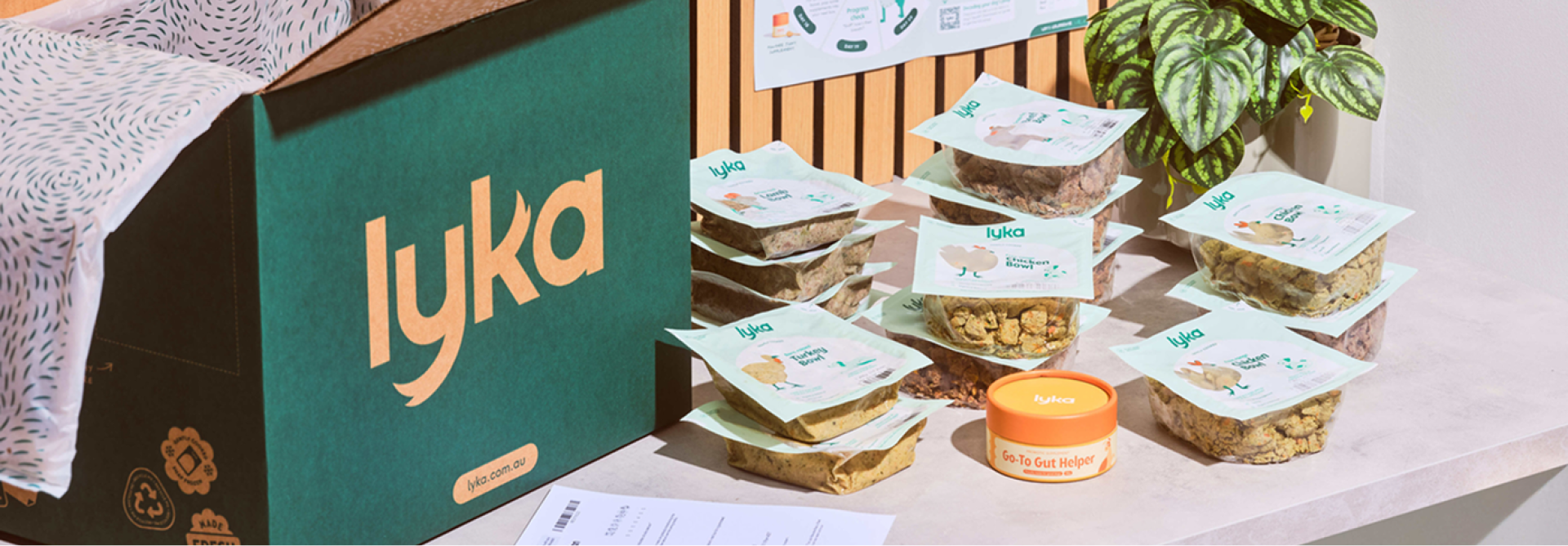
A UK maker of natural frozen raw pet food wanted home-compostable pouches that would survive freezing and thawing. The structure passed lab testing, then split during manual packing once production began, the seals failing under the equipment's pressure. Thickening the seal layer fixed it, holding at minus 18 while staying home-compostable. An earlier iteration had also failed silently because the production polymer differed slightly from the approved one, which is why the exact film, sealant, and layer thicknesses are now locked and each batch is tested against the reference.
How to get it right
- Test under real pack-line conditions, not just the lab: Brittleness and seal behaviour at low temperature are where compostable structures are weakest, so prove the seal at production speed and pressure.
- Build strength into the seal layer: A thicker inner seal is often the difference between a line that runs and one that splits, at very little added cost.
- Treat the exact spec as the specification: Lock the film, sealant, and layer thicknesses, and test every production batch against an approved reference so a silent substitution is caught before it ships.
What this means for you and your brand
If you are putting compostable packaging into the freezer, test under real pack-line conditions, not just in the lab, because brittleness and seal behaviour at low temperature are exactly where compostable structures are weakest. A thicker seal layer is often the difference between a line that runs and one that splits, and it costs very little to specify.
The deeper takeaway applies to any compostable programme: treat the exact film, sealant, and layer thicknesses as the specification, and test each production batch against an approved reference. Two structures that read the same on a datasheet can perform nothing alike.
If you are developing compostable packaging for frozen or demanding pack lines, talk to our team or read our compostable packaging overview.
Frequently asked questions
Can compostable packaging be used for frozen products?
Yes, with the right structure. Compostable film gets more brittle at low temperatures, so seal strength and barrier have to be specified for freezer conditions and tested under real packing pressure.
Why did the compostable seals split in production but not in testing?
Lab tests did not replicate the lateral pressure of the pack line. A thicker seal layer was needed to hold under real equipment force.
Are all compostable films with the same certification interchangeable?
No. Two films in the same material class can behave very differently. Exact polymer, sealant chemistry, and layer thickness determine performance, so the precise spec has to be locked and verified.
Thanks. Your checklist is ready:
Download the checklist →Something went wrong. Please try again or email hello@groundedpackaging.co
Frequently asked questions
No items found.
Talk to a specialist
Not sure where your packaging lands?
Get a recyclability and EPR fee review of your current formats.
Not sure how your packaging will rate under EPR and PPWR?
Our packaging specialists can review your formats against the UK RAM ratings and EU PPWR design rules.
Talk to a packaging specialistthumbnail.png)


Subscribe to our newsletter
Stay up to date with packaging news and industry updates.


.webp)