

August 3, 2026
The Packaging Format Perception Gap and What to Do About It
Ask consumers to rank packaging types by sustainability and the result is consistent across every market surveyed. Glass and paper sit at the top. Flexible plastic sits at the bottom. For brands operating in flexible packaging categories, that hierarchy is a commercial reality with direct implications for purchase decisions, EPR fee structures, and brand positioning.
What the data also shows, and what most brand communications miss, is that the gap between flexible packaging's actual environmental performance and consumer perception of it is not a fixed verdict. It is largely an information gap. Consumers rate packaging they understand. They penalise formats they do not. That distinction matters, because it means the gap is closable.
How consumers rank different packaging formats
Research by Mckinsey across 11 countries found a clear and consistent hierarchy. Glass bottles and jars sit in the top three in every market. Paper and cardboard sit in the top three in every market. Metal and beverage cans are mid-tier, varying by market. PET bottles are mid-tier, ranking higher in markets with deposit-return schemes. Flexible plastic film and multi-layer laminated packaging sit in the bottom three in almost every market.
One important caveat for flexible packaging brands: the survey asked consumers to rate broad categories, not specific materials. "Flexible plastic film" includes both mono-material recyclable structures and non-recyclable multi-layer laminates. Consumers are not distinguishing at that level. Their perception reflects the category as a whole, dominated by the non-recyclable formats they most commonly encounter.
Consumer perception of glass and paper is high because people have a working mental model of what happens to those materials after use. They understand that glass goes to the bottle bank and becomes glass again. They do not have that mental model for flexible packaging, because most brands have never given them one.
Research from 2025 adds further texture: paper packaging enhances perceived product quality compared to plastic, particularly for food products associated with health and naturalness. Natural textures, minimalist designs, and materials perceived as biodegradable consistently rate as most sustainable and most aesthetically appealing. Plastic, including recycled plastic, tends to evoke negative associations where it is not clearly differentiated from single-use non-recyclable formats.
Format options that close the perception gap
A mono-material flexible pouch that is genuinely recyclable represents a materially different sustainability proposition from a non-recyclable multi-layer laminate. It is also, in many cases, a better environmental choice than the glass or rigid plastic it replaces. The challenge is that consumers do not know this unless brands tell them.
Three format directions close the gap on both actual sustainability and consumer perception:
Mono-material polyethylene or polypropylene structures. Recyclable through dedicated soft plastic streams such as store drop-off and increasingly through kerbside collection as infrastructure develops. A meaningful step up from non-recyclable multi-layer laminates on EPR fee position and recyclability classification. The perception shift depends on clear on-pack labelling and disposal guidance.
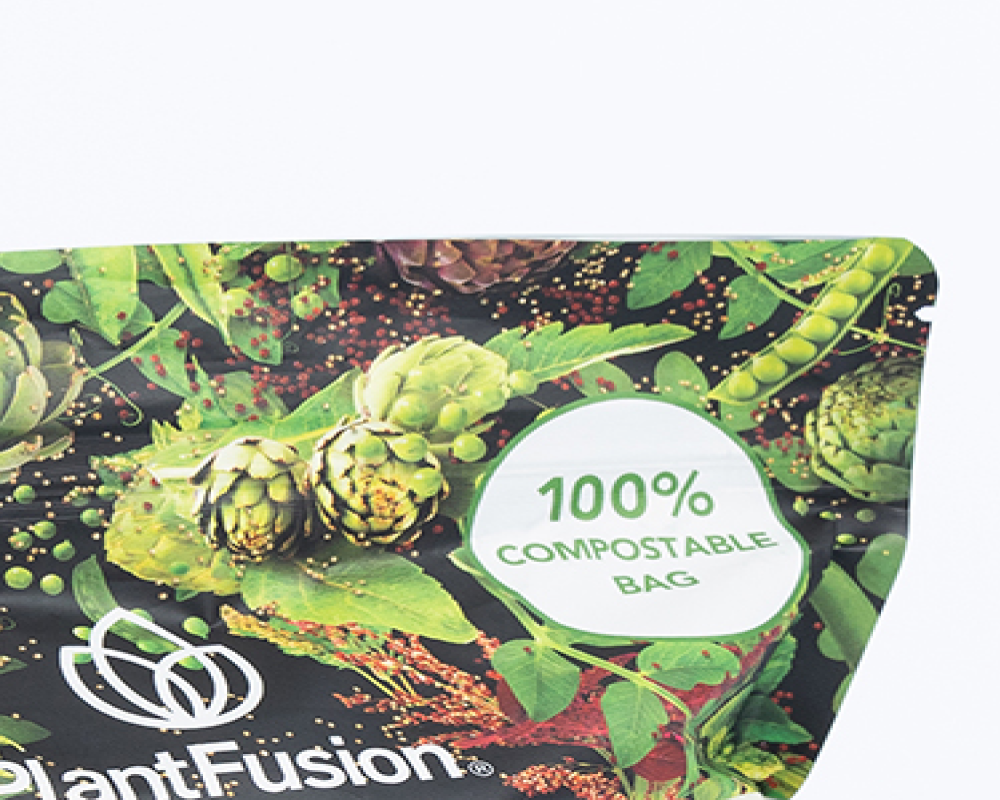
Certified compostable flexible films. Mid-tier on consumer perception, with distinct EPR classification in several US states and EU markets where industrial composting infrastructure exists. Certification is essential; an uncertified "compostable" claim carries no regulatory weight and increasingly carries regulatory risk.
Paper-based flexible formats. Paper pouches, kraft bags, and paper mailers with water-based barrier coatings sit closest to the "paper and cardboard" category that consistently ranks in the top three globally. Barrier performance varies; paper-based structures are not right for every product or shelf-life requirement.
None of these is right for every product or every barrier requirement. Each involves trade-offs between performance, cost, and recyclability. The starting point is knowing where your current format sits on the perception table, and where a more sustainable alternative would move it.
Making sustainability credentials visible and credible
Consumer research consistently identifies trust in labelling as one of the key determinants of behaviour toward sustainable packaging. Transparent communication and credible certification are prerequisites for consumer acceptance, particularly for formats consumers have not previously encountered.
Use recognised third-party certification marks appropriate to your market: OPRL in the UK, the Australian Recycling Label, How2Recycle in the US. Avoid vague claims. Recyclability is the key consumer signal globally. If your packaging is recyclable, state it specifically and make it verifiable on pack.
A mono-material flexible pouch that is genuinely recyclable deserves a recyclability label. Without one, consumers have no way to distinguish it from the non-recyclable formats that dominate their experience of the category. Vague green claims erode exactly the consumer trust that sustainable packaging is supposed to build. Specific, third-party certified, on-pack claims build it.
What this means for you and your brand
The format perception hierarchy is not a reason to switch every flexible packaging line to glass or paper. It is a reason to understand exactly where your current format sits, what a more sustainable alternative would deliver on both perception and function, and what communication is needed to make the difference visible to consumers.
For flexible packaging brands, the direction is clear: mono-material recyclable structures, certified compostable films, and paper-based formats all close the perception gap while aligning with EPR fee structures and regulatory direction across the US, UK, and EU. But format is only half the work. For more on how to communicate your packaging choices so consumers can actually perceive the difference, see our guide on winning the packaging perception battle.
Frequently asked questions
Is mono-material flexible packaging perceived differently from multi-layer laminates?
Not currently, in most consumers' experience. Consumer research has rated broad packaging categories rather than distinguishing between mono-material and multi-layer structures. Most consumers do not differentiate at that level. Their experience of flexible plastic film is dominated by non-recyclable formats. A mono-material flexible pouch that is genuinely recyclable, clearly labelled, and certified offers a materially different sustainability proposition; but making that distinction visible to consumers requires on-pack labelling, third-party certification, and clear disposal guidance.
Does switching to paper-based flexible packaging always improve sustainability performance?
Not automatically. Paper-based formats score well on consumer perception but the actual environmental performance depends on barrier coatings, moisture resistance requirements, and end-of-life infrastructure. Some paper-based flexible formats are not recyclable through standard kerbside collection. The right question is not which material looks most sustainable but which format delivers the best actual end-of-life pathway for your product, clearly communicated on pack.
What certification marks should flexible packaging brands use?
The relevant mark depends on your market and the claim you are making. For recyclability: OPRL (UK), Australian Recycling Label (Australia and New Zealand), How2Recycle (US and Canada). For compostability: EN 13432 and the Seedling logo or TUV OK compost marks (EU), ASTM D6400 and BPI certification (US), AS 4736 and ABA certification (Australia). Use the mark that corresponds to the specific claim and infrastructure available in each market.
How do EPR fees interact with format choices?
In the UK, France, Germany, and across EU markets with eco-modulation, recyclable packaging formats attract lower EPR fees than non-recyclable formats. The fee differential is increasing as EPR schemes mature. Mono-material recyclable structures and certified compostable formats both attract more favourable fee treatment than non-recyclable multi-layer laminates, making format sustainability a direct P&L lever as well as a perception lever.
Other posts you may like:
thumbnail.png)

Explore custom packaging solutions
Subscribe to our newsletter
Stay up to date with packaging news and industry updates.


.webp)