Close Cookie Popup
Cookie Settings
By clicking “Accept”, you agree to the storing of cookies on your device to improve our services and your browsing experience.
.svg)

Grounded started with firsthand experience of sustainable packaging that failed in practice, and a desire for transparency in a murky industry.

We help you make the packaging decisions that are right for your business. Not universal "right" answers, but the optimal choices for your situation, backed by complete information, data, and tools.
Helping our customers make better packaging decisions means holding ourselves to the same standard. We measure the footprint of the packaging we supply using Scope, our proprietary life cycle assessment platform, built on a methodology compliant with ISO 14044:2006, ISO 14067:2018, and ISO 59020:2024 and validated by an independent third party. This lets us show, structure by structure, where impact sits and what genuinely improves it.
Where we make a claim, an independent body stands behind it. Our materials carry third-party certifications matched to what they verify: FSC for chain of custody on paper, the Global Recycled Standard (GRS) for recycled content, and compostability certifications including ABA and TÜV for certified compostable structures, alongside food-contact compliance where the application requires it. We name the certification behind every claim, because an unverified claim is not one we will make.
Our focus is on the choices that move the numbers most: increasing post-consumer recycled content, moving brands from multi-layer laminates to mono-material structures that can actually be recycled, and matching formats to the recovery infrastructure that exists in each market. We are honest about the trade-offs, because there is no single "most sustainable" packaging. There is always a choice that performs better or worse for a specific product, in a specific market, against the evidence.
Grounded is a certified B Corporation, part of a global network of businesses meeting verified standards of social and environmental performance, accountability, and transparency. Certification means our practices are independently assessed against those standards, not self-declared.
Through our partnership with SeaTrees, we fund the restoration and protection of blue carbon coastal ecosystems. The work focuses on mangrove forests, which sequester carbon several times faster than terrestrial rainforests.
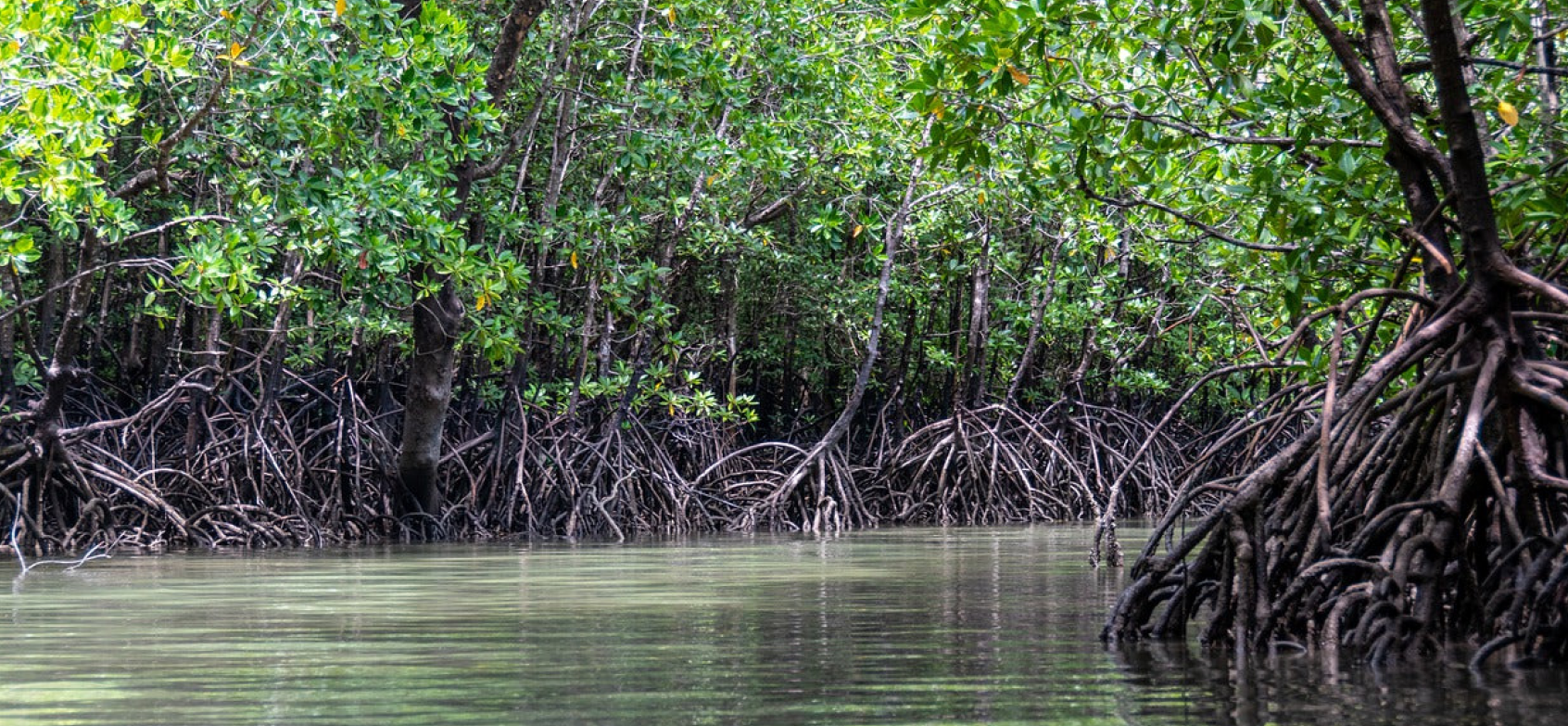
Protects 117,740 hectares of coastal watershed along Colombia’s Pacific coast — mangroves, marshes and streams in a region home to 10% of all animal and plant species on Earth. Collectively owned and run by local Afro-descendent and Indigenous communities.
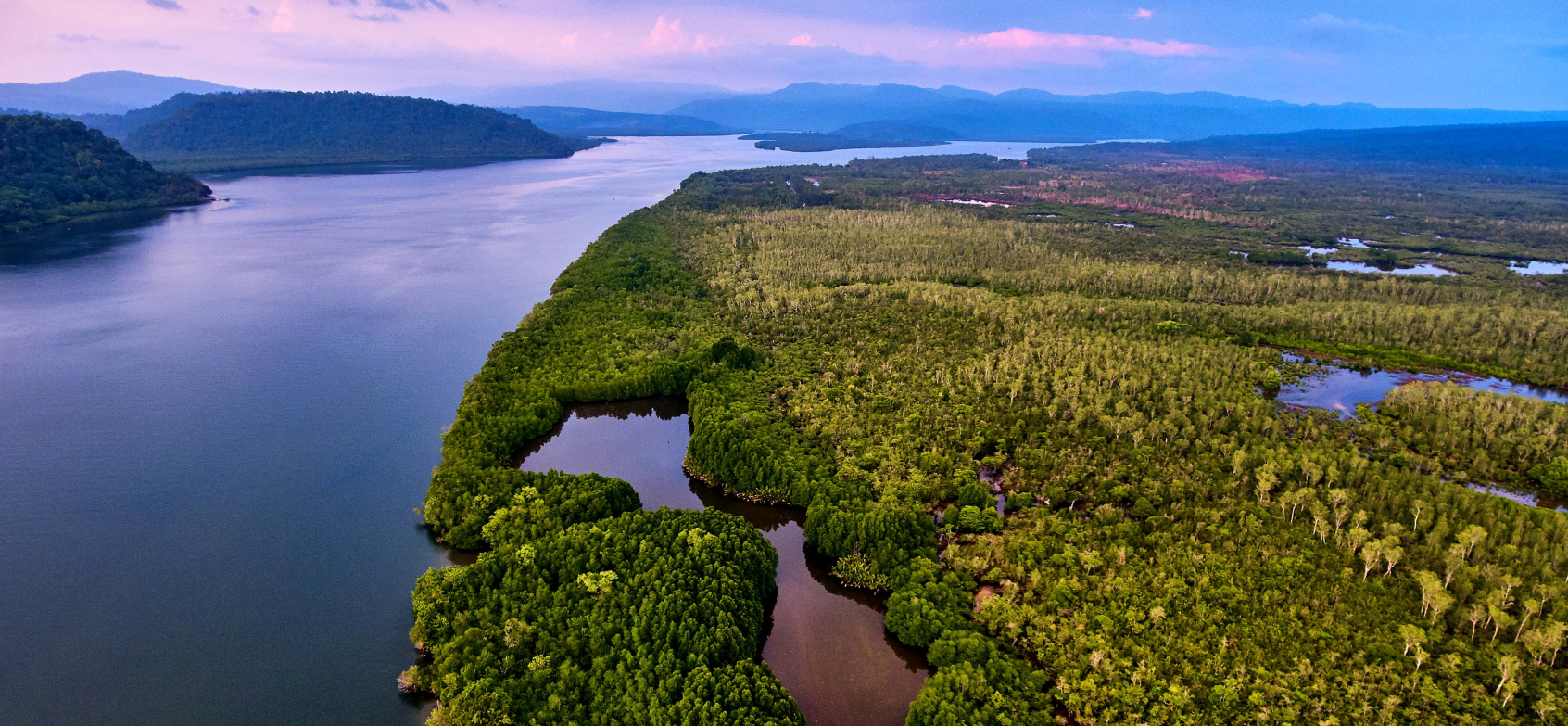
Protects 497,000 hectares of coastal watershed in Cambodia’s Cardamom Mountains, including 2,000+ hectares of pristine mangrove forest. Safeguards 35+ IUCN-threatened species and supports 16,000+ people across 29 villages.
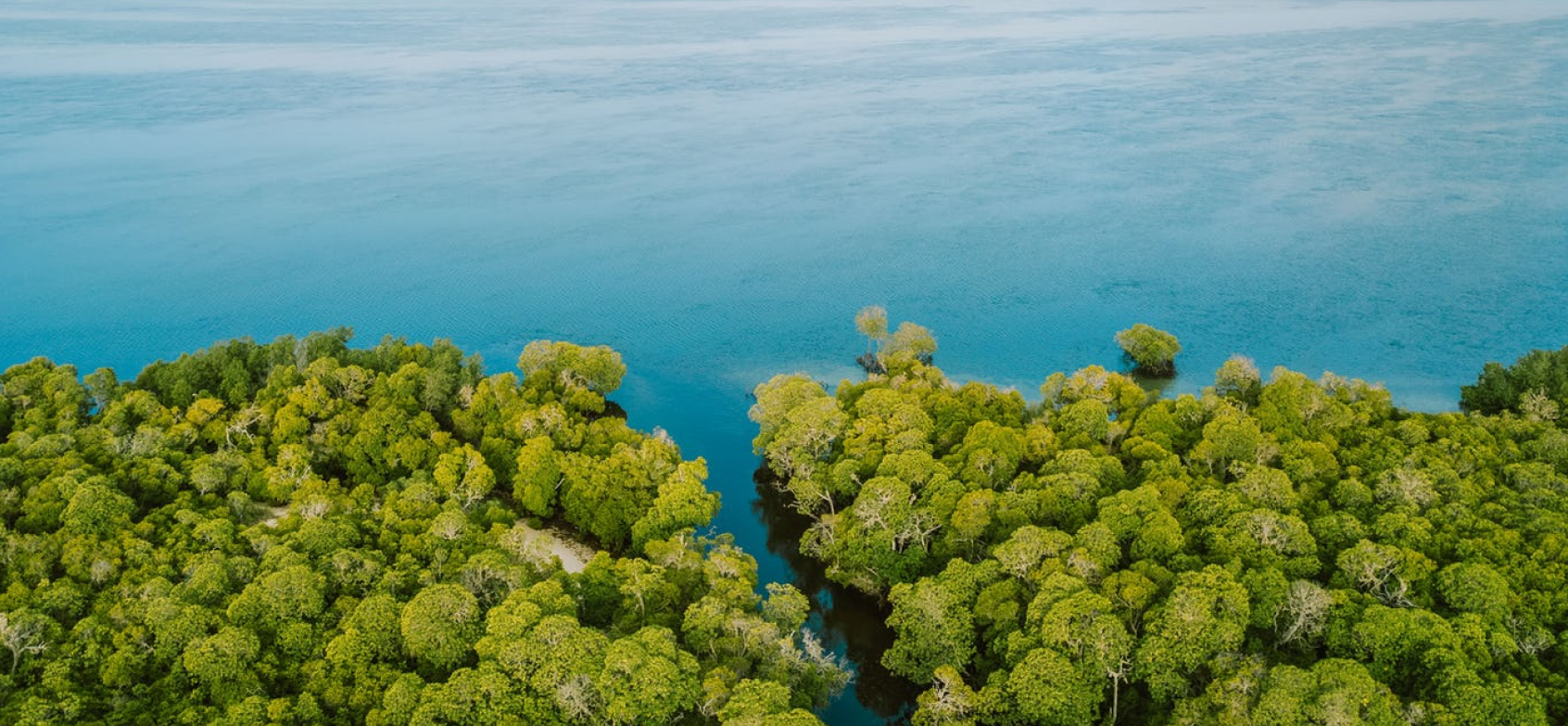
Restores degraded mangrove forest inside the Malindi–Watamu Marine Park, a UNESCO-designated Biosphere Reserve. Home to 65 aquatic bird species and endangered green and hawksbill sea turtles; 350+ locals employed to reverse illegal logging.
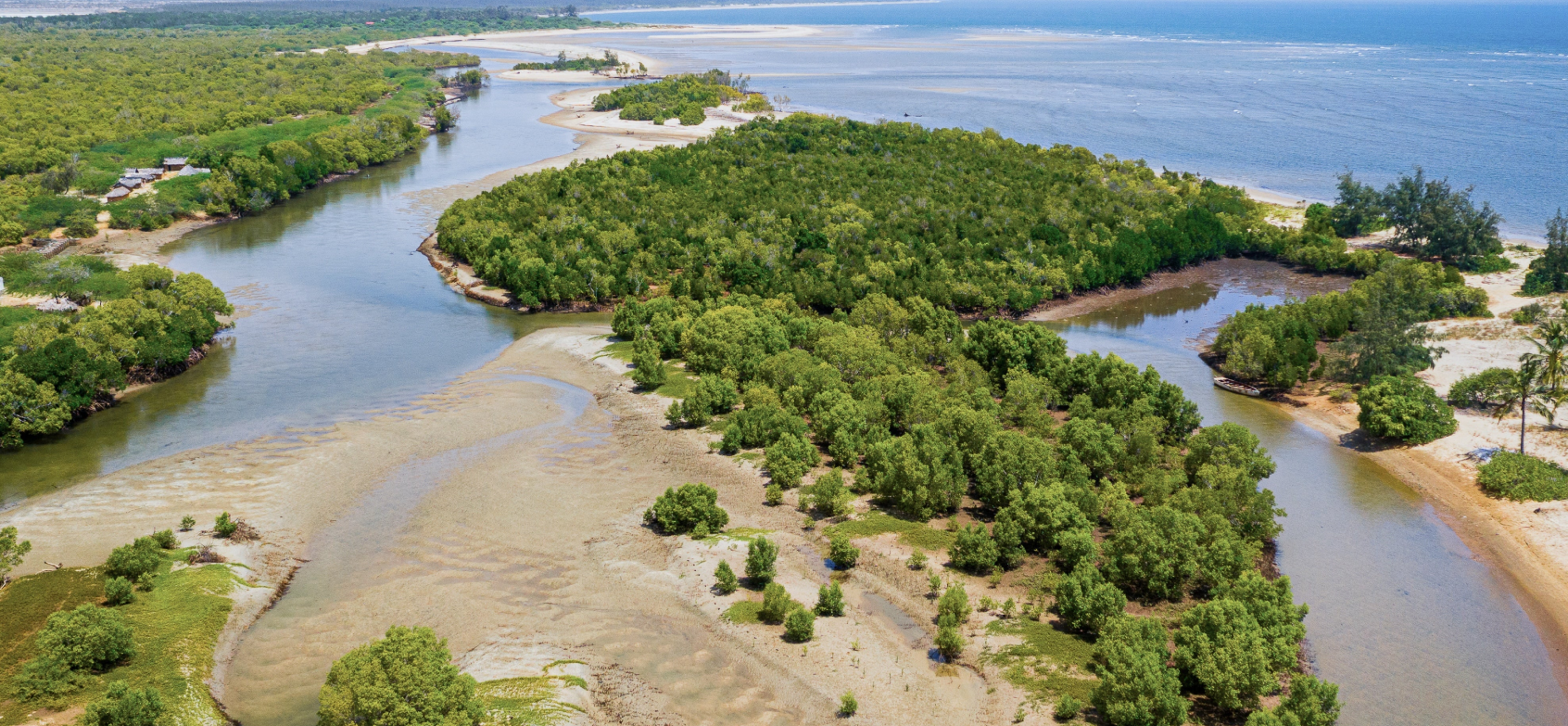
Restores degraded mangrove forest in Kilifi County, replanting over one million seedlings. Vital feeding and breeding grounds for fish, turtles and flamingos — restoration has created 600+ local jobs, 40% held by women.
Our Reforest the Ocean programme contributes to five UN Sustainable Development Goals. Restoring and protecting mangrove forests locks away carbon and safeguards the marine and coastal ecosystems that depend on them — and the restoration work itself creates secure, paid jobs in the communities leading it, a significant share of them held by women.


.webp)