

February 18, 2026
What’s the Difference Between Recyclable vs Recycled, and Why Does it Matter?
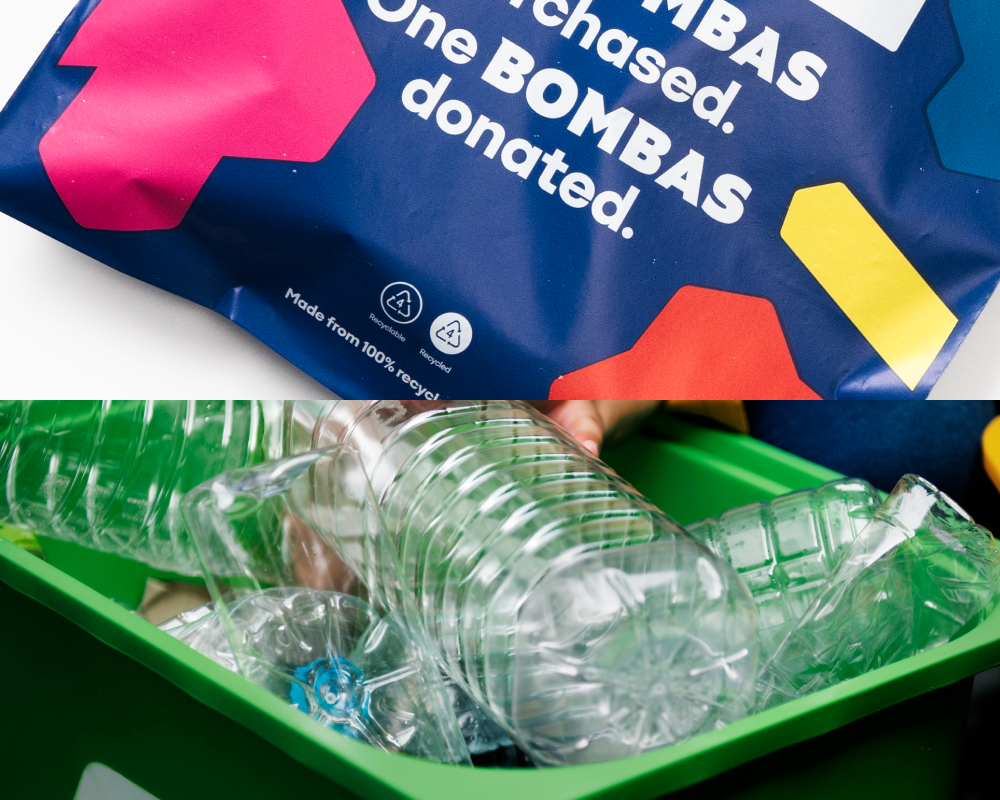
In pursuit of sustainable packaging, the terms "recycled" and "recyclable" are frequently used interchangeably despite representing two distinct stages of material circularity.
The packaging industry is full of similar jargon that causes confusion. Our job is to give you the clarity you need to guide smart, sustainable packaging choices that work hard for your brand, customers and the planet.
Both concepts, and the understanding of their individual meaning, represent an important part of the waste cycle and the development of a circular economy. Anyone hoping to make informed, sustainable decisions needs to understand the difference.
A simple breakdown: start of life vs end of life
One addresses the start of life, and one the end of life, two crucial concepts in designing packaging for a circular economy. Understanding this distinction is vital for brands aiming to reduce their carbon footprint and comply with evolving global waste regulations
To put it simply:
Recycled is about the past (what the packaging is made from).
- Focus: Start of Life
- Meaning: The material was created from diverted waste rather that virgin fossil fuel based materials.
Recyclable is about the future (what happens to it after use).
- Focus: End of Life
- Meaning: The material is designed to be processed and reused after the consumer is finished.
What does "recycled" really mean?
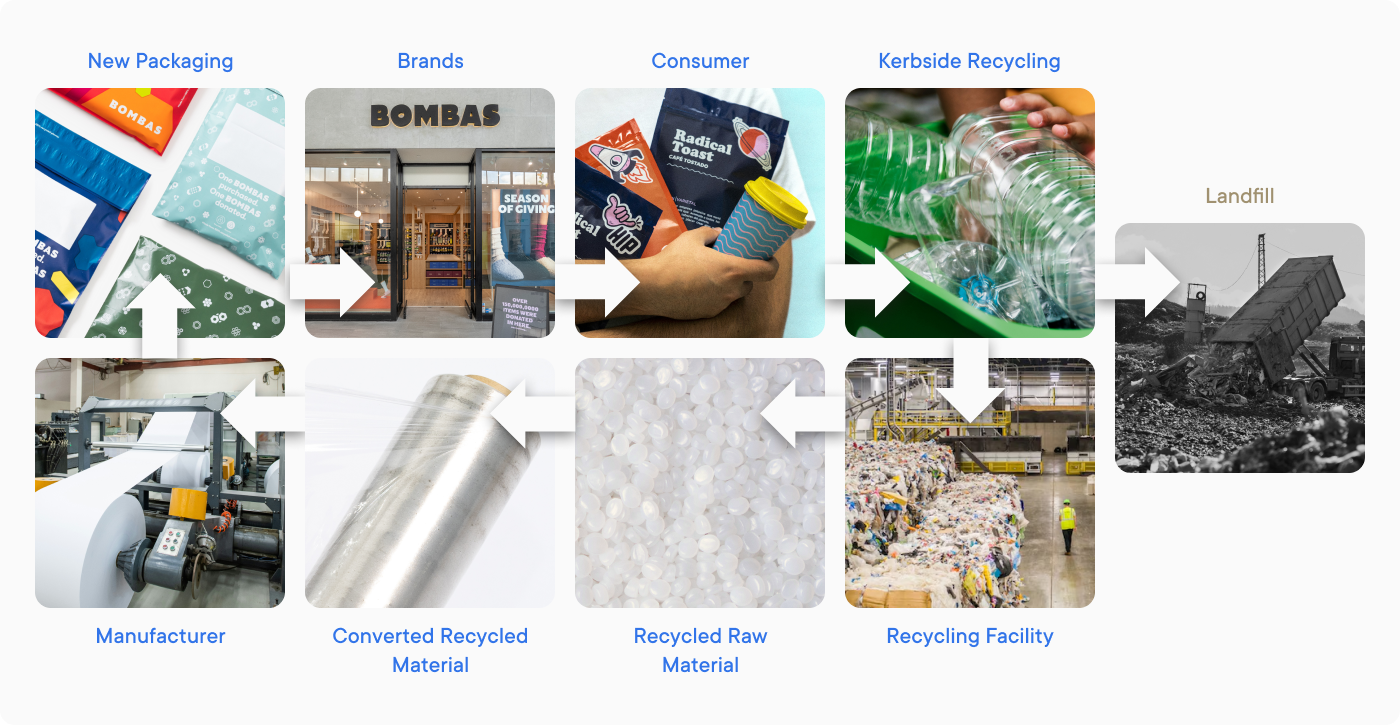
When we describe a product as "recycled," we’re talking about its history and origin. It means the material was created using post-consumer waste (PCR) or industrial scraps that were diverted from a landfill, melted down into plastic pellets, and reborn as new packaging. Utilising recycled content is the primary way brands "close the loop" in a circular economy.
One advantage of using recycled content is that it provides an immediate sustainability win without requiring any specific behaviour or effort from the end consumer; the environmental impact is already "baked into" the product before it even reaches the shelf.
Understanding the sources of recycled plastic
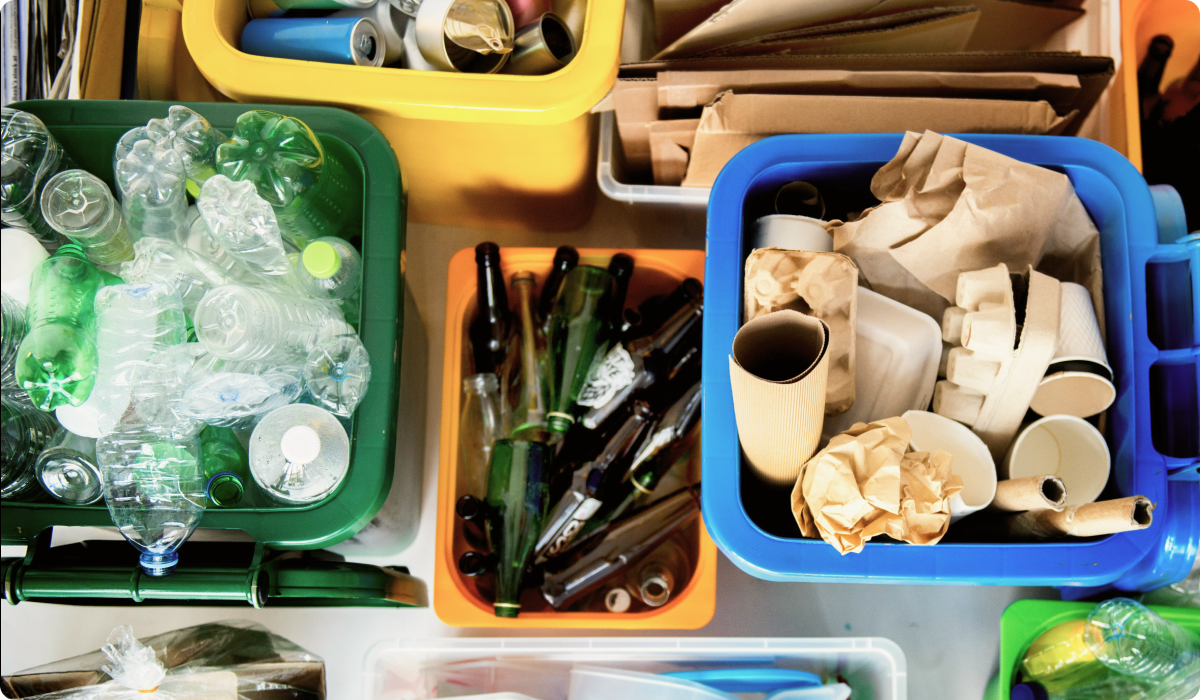
Not all recycled plastic content is created equal. The industry categorises these materials based on where they originated, and each comes with its own set of environmental and technical trade-offs.
1. Post-Consumer Waste (PCR): The "Gold Standard"
PCR consists of materials used by consumers and collected in kerbside recycling streams, like your finished yoghurt tub or empty water bottle.
- The Positives: PCR is the ultimate driver of a circular economy. It directly diverts consumer waste from landfills and oceans and has a significantly lower carbon footprint than virgin resin (reducing carbon emissions by around 71% based LCAs).
- The Challenges: Once collected, this plastic is sent to a processing depot where it's cleaned and sorted into grades for recycling. This process requires a lot of time and resources. Post-consumer waste is a lot more challenging to create than pre-consumer/post industrial waste.
2. Pre-Consumer / Industrial Waste: An Efficient Alternative
This refers to manufacturing offcuts or factory scrap created during the production of plastic goods.
- The Positives: While it diverts waste from landfills, it has not yet completed a full life cycle as a consumer product. The offcuts are typically clean and are not mixed with other types of plastic, making it more economical and energy-efficient to transport and re-process.
- The Challenges: While it prevents waste, it doesn't "close the loop" in the same way PCR does. Some experts suggest that industrial scrap is more of a manufacturing byproduct than a true solution to the consumer waste crisis.
3. Ocean Bound Plastic (OBP): A Critical Intervention
OBP is a sub-category of PCR, defined as plastic collected within 50km of coastlines in regions lacking formal waste management infrastructure. The plastic collected for OBP is often very dirty and brittle after exposure to beaches, rivers and drains making this a costly process.
- The Positives: Collecting OBP provides significant social impact by creating jobs in developing economies and prevents plastic from ever entering our marine ecosystems.
- The Challenges: Exposure to salt water, UV rays, and environmental debris makes this plastic brittle and "dirty." Processing OBP is a costly, resource-heavy endeavour, which results in a higher price point and a "speckled" aesthetic in flexible films.
Why Grounded prioritises PCR
We emphasise post-consumer waste at Grounded Packaging. By choosing PCR, we actively support the growth of household waste recycling infrastructure and ensure that existing waste is diverted from landfills and kept in a continuous, productive loop.
Governing bodies around the world are encouraging the use of recycled content. The Plastic Packaging Tax in the UK is a great example of this. The UK tax rate on plastic packaging with less than 30% recycled content has risen to £223.69 per tonne in April 2025. This provides a clear economic reason to prioritise recycled inputs over virgin plastic. With similar initiatives already in effect around the globe, it's clear that recycled content is a focus of regulatory bodies in decoupling the plastic industry from fossil feedstocks.
By maximising the use of a high percentage of recycled content, brands do more than just improve their own sustainability metrics; they stimulate the market demand necessary to scale the entire circular packaging industry for everyone.
What does "recyclable" really mean?
When we say a product is "recyclable," we are talking about its potential. This means the packaging is designed to be processed by a recycling facility after your customer is done with it. For flexible packaging, this typically means it's a mono-material laminate (made of just one type of plastic) so it can be tossed into dedicated soft plastic recycling streams.
While most of us grew up learning which bin to use, we rarely talk about the "input" materials that make a product "bin-worthy" in the first place. This has led to a market that over-indexes on end-of-life features while overlooking the origin of the materials. Designing for circularity requires a shift in focus: understanding that a product's end-of-life is dictated by its start-of-life design.
Design meets infrastructure
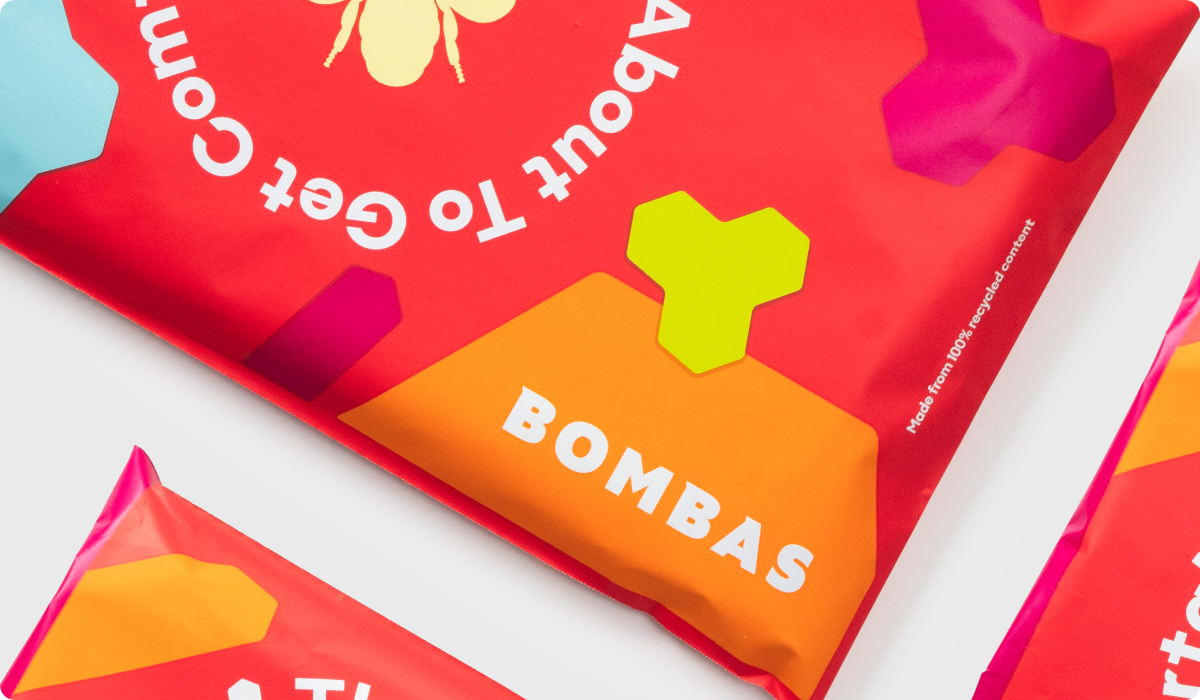
A package is only recyclable if there is a local system capable of collecting and processing it. It is a partnership between material science and regional infrastructure:
- Kerbside Recyclable: Generally reserved for paper, cardboard, and rigid plastics (#1 PET, #2 HDPE) collected directly from households.
- Store Drop-off: For your customers, this usually applies to flexible films like LDPE (#4) pouches, mailers or garment bags. These require consumers to return them to designated collection points to ensure they enter the correct soft-plastic stream.
Avoiding "zombie materials"
If you design a beautiful pouch using mixed materials, such as foil and plastic glued together, it becomes a "zombie material." While technically durable, these layers cannot be separated by standard Material Recovery Facilities (MRFs), meaning the package is destined for the landfill despite your best intentions.
The circular loop: why you need both
If you buy recyclable packaging but it’s made from 100% virgin plastic, you’re still extracting new resources. If you buy recycled content that isn't recyclable, that material's journey ends at the landfill.
To design for circularity, the goal is a package made from recycled waste that can be recycled again. This keeps the same polymers in play and out of landfills.
"Recyclability creates the feedstock; recycled content creates the demand. You cannot have a functional circular economy without both."
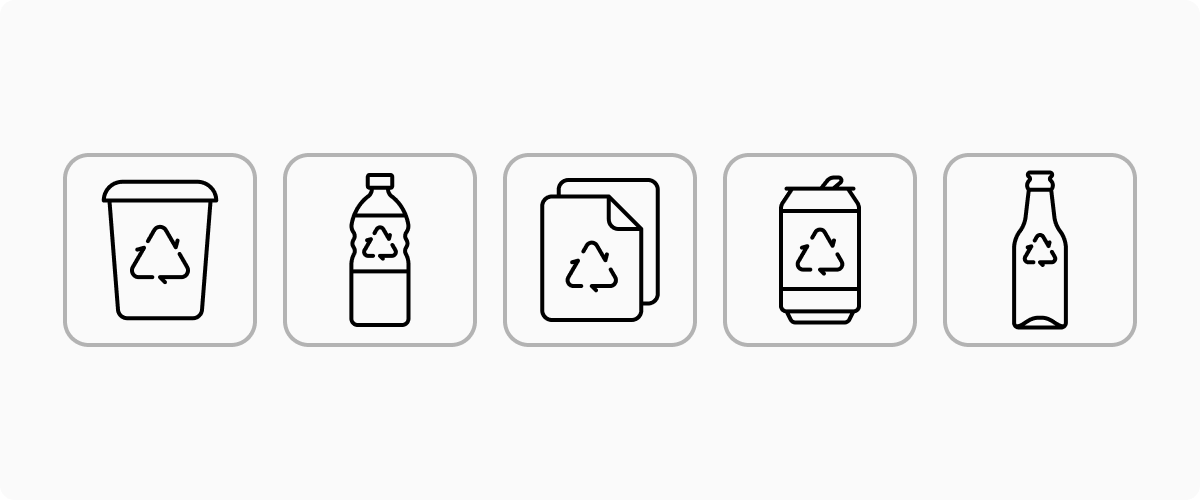
Navigating labels and certifications
A key aspect of building a circular packaging strategy is ensuring your customers know how to dispose of your packaging responsibly. Clear labelling prevents "wish-cycling", where consumers put non-recyclable items in the bin, contaminating the stream.
Depending on where you sell, the labelling standards and certifications you should look for vary.
1. End-of-life: recyclability labels
These labels tell your customers exactly what to do with the package after use.
- US: How2Recycle® – A standardised system that specifies if an item is "Widely Recyclable," "Check Locally," "Not Yet Recyclable," or requires "Store Drop-off."
- UK: OPRL (On-Pack Recycling Label) – The UK’s most recognised system. It uses simple "Recycle" or "Don't Recycle" instructions based on what 75% or more of UK local authorities actually collect.
- AU: ARL (Australasian Recycling Label) – Developed by APCO, this label breaks down every component of the packaging (e.g., film, tray, box) so consumers know exactly where each piece goes.
2. Start-of-life: recycled content certifications
These verify your claims about what the packaging is made from, protecting your brand from greenwashing risks.
- FSC® Recycled: For paper and corrugated card, this ensures the material is 100% reclaimed from post-consumer or pre-consumer sources.
- RCS (Recycled Claim Standard): An international, third-party certification that tracks recycled raw materials through the supply chain.
- Global Recycled Standard (GRS): Similar to RCS but more rigorous auditing which includes additional social and environmental processing requirements.
Tip: New regulations, like California’s SB343 and the UK’s Plastic Packaging Tax, are making verified claims mandatory. Moving away from the generic "chasing arrows" toward these specific, data-backed labels is the best way to stay compliant in 2026.
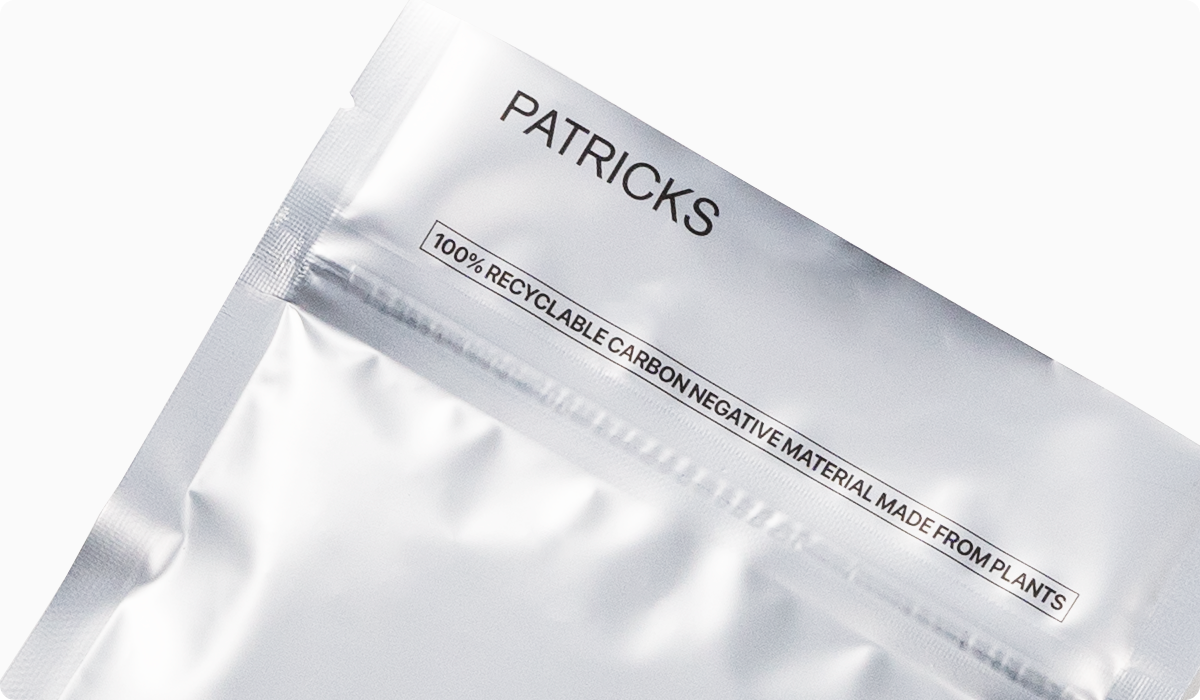
How to avoid greenwashing in packaging labels
The misuse of sustainability terms can lead to significant legal and reputational risks. To design for material circularity, it is important to understand the nuance and intention behind different terms and claims.
Vague claims are the quickest way to lose consumer trust. To stay compliant and honest, follow these four rules:
- Be Specific: Instead of a generic "Recycled" claim, use precise language like "Made from 50% Post-Consumer Recycled content."
- Use Third-Party Logos: Only display standard logos like FSC® or GRS if you have the certification and licence to back them up.
- Watch the Laws: In 2026, regulations like SB343 make it illegal to use the "chasing arrows" symbol on products that aren't actually recyclable in the majority of local communities.
- Define the Path: Clearly state "Store Drop-off" for flexible plastics. This transparency helps your customers succeed and keeps your brand honest.
Choosing the right option for your brand
So, which should you prioritise? If your goal is to reduce immediate carbon impact, recycled content is your best lever. If your goal is to ensure your brand doesn't contribute to long-term landfill waste, designing for recyclability is the play.
The ultimate strategy for circularity? Do both.
FAQs about recycled vs. recyclable
Q: Can a product be recycled but not recyclable?
A: Yes. For example, some pouches are made with some recycled content but also use a mix of other materials that make them non-recyclable at end of life.
Q: Is PCR better than industrial recycled waste?
A: Generally, yes. Utilising PCR directly incentivises the collection of household waste, which is the most significant contributor to plastic pollution.
Q: Why is flexible packaging harder to recycle than rigid plastic?
A: Flexible films can tangle in the machinery of standard Material Recovery Facilities (MRFs). This is why mono-material PE is so important, as it allows the film to be processed in specialised soft-plastic streams.
Sources
- Life Cycle Impacts for Post-consumer Recycled Resins: PET, HDPE, and PP (2018)
- Author: Franklin Associates (A Division of ERG) for the Association of Plastic Recyclers (APR).
- Life Cycle Assessment Comparison of Virgin and Recycled Post-consumer Resins (May 2020)
- Author: Association of Plastic Recyclers (APR).
- Source Link: APR-Recycled-vs-Virgin-LCA-May2020.pdf
Other posts you may like:
thumbnail.png)

Explore custom packaging solutions
Subscribe to our newsletter
Stay up to date with packaging news and industry updates.


.webp)